Table Of Content
One of the key typography rules for line length for text is to stay within the limits of 40 to 55 characters, except for desktop or other larger screen applications. Contrary to what many think, the eye does not read individual words one at a time, but it scans the line pausing momentarily to read groups of three or four words. Too long a line tends to tire the eye and makes it difficult to locate the beginning of the line that follows. On the other hand, lines that are too short disrupt sentence structure.
Choosing a font
Type design in branding makes a brand truly unique - DesignWanted
Type design in branding makes a brand truly unique.
Posted: Mon, 24 Jul 2023 07:00:00 GMT [source]
This practical insight is invaluable for applying what you've learned to your own design projects. Once you grasp the basics and history, exploring the world of type design can be your next step. A book focusing on the process of creating a typeface will expose you to the meticulous craft behind the fonts you use. From sketching letterforms to digitizing your designs, this type of resource can be both a practical guide and a source of inspiration for your projects.
Illustrations and artwork
This will include developing a range of specialist skills in graphic design and visual communication to pursue creative problem-solving projects. You will be provided with the knowledge you need to be at the forefront of your profession and have the confidence to gain successful employment. You will then be able to develop a high-quality portfolio that best reflects your abilities and professional goals. In today's digital-first world, understanding how typography works on screens is essential. A book that focuses on web typography will teach you about responsive design, screen readability, and font licensing for digital use.

Slab Serif
In this article, we will describe different typographic elements and their importance in design. And we'll also lift the lid on the five main types of typography and in which cases you can use them. The best graphic design books can take you on an exciting journey of the imagination, transport you to new creative worlds or...
A humorous message, on the other hand, might be best delivered through a more whimsical typeface. Examples of sans-serif typefaces include Arial, Helvetica, Roboto, Verdana, and Tahoma. Serif typefaces feature these decorative little lines or “flicks” at the end of the main strokes of each character. For example, when you select the Times New Roman typeface, the capital letter ‘T’ is embellished with these extra strokes. The weight and size of your chosen typeface will vary depending on your chosen font.
Build Uniqueness
Unlike serif typefaces, they don’t feature the extra little strokes. Sans-serif typefaces are typically modern, bold, and easy to read. As such, you’ll find that most websites, apps, and digital designs use a sans-serif typeface. Each typeface comprises a set of design features or characteristics that determine how letters, numbers, or characters will be styled. Examples of typefaces include Times New Roman, Arial, Helvetica, and Comic Sans. Therefore, graphic designers understand the significance of typography.
This module will develop your understanding of specialist subject areas of creative practice through studio and workshop based activities. You will be able to further develop individual approaches in using creative processes analysing, evaluating visual pieces of work and presentation methods. This module will introduce you to a variety of design thinking processes within the field of Graphic Design. You will develop your conceptual ability and come up with creative solutions to a brief. You will be shown how to use typographic content and imagery with contrast, hierarchy and scale change to create original graphic content.
Balance and Contrast
A combination of different typefaces can also be used to create a digital hierarchy of your design. For the body, you can use a classic serif and for the headline, you can use a geometric sans serif typeface. Headings, subheadings, and body copy are the three levels of typographic hierarchy you can establish. The art of arrangement of letters and text to make the copy visually appealing, clear, and readable to the readers.
Typography design 101: a guide to rules and terms
In order to have a clean right edge, try to avoid lots of full stops or commas at the end of the rows. The letters B, P and R are sister shapes, one being derived from the other. The bowl of the R needs to be slightly thinner so that when we connect the leg to it, it won’t become super thick. While the upper bowl of the B needs to be smaller than the bottom one, so that the letter appears more stable. The crossbars in the letters E and A theoretically are found at the middle of the letter, one might think. In order for the letter to look well balanced, they need to be moved just a bit.
Finally, we’ll look into the different elements that comprise typography and what they all mean. We often reflect on the power of the written word, but rarely do we consider the designer’s role in emulating the tone of the word or sentence. If you're not sure how much line spacing to use, don't fret—the default is usually fine. The goal is to make your text as comfortable to read as possible.
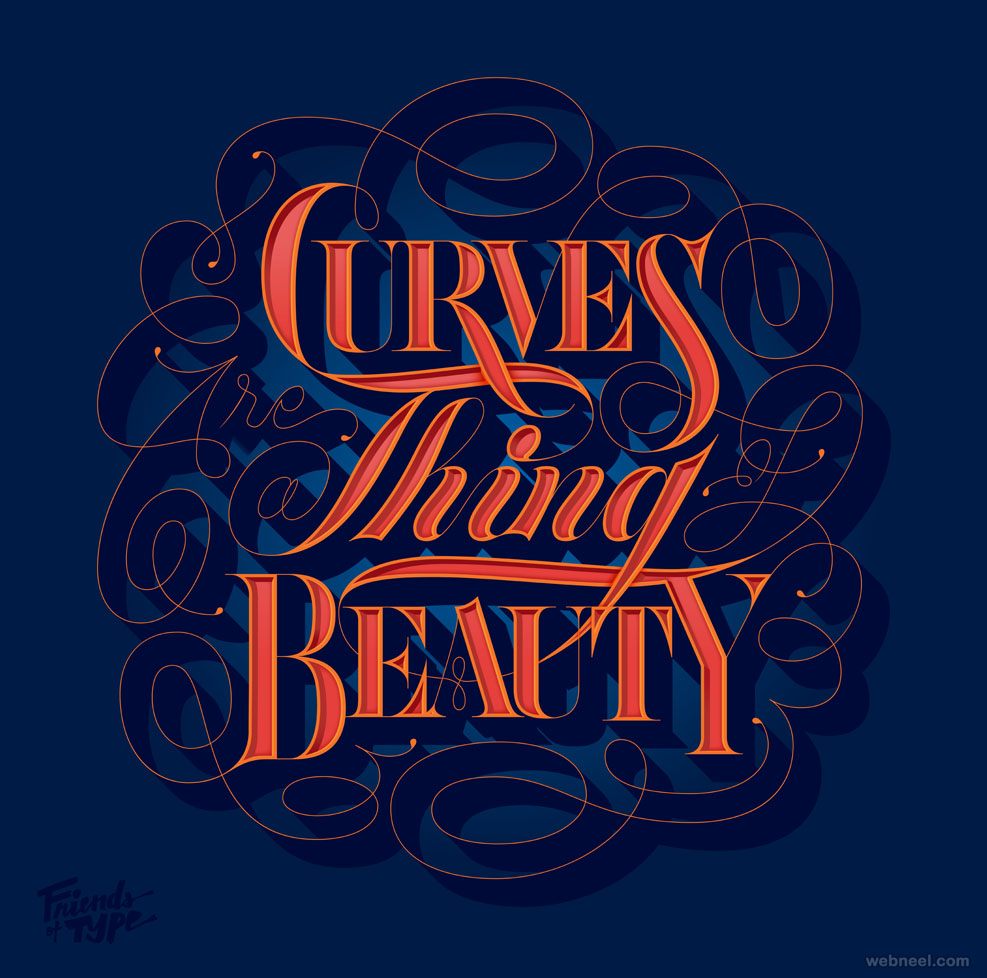
Flip the letter O 90° and you’ll realize that the sides are a bit thicker than the top and bottom. The anatomy of letters is quite complex—every little detail and element has its own term. Today, radically separating the two worlds, as well as harmoniously merging them, gives birth to new and unusual results, fueling a never ending cycle of typographic exploration. Whitespace, or negative space, refers to the empty space around and between different elements on the page.
You might pair a playfully designed headline full of personality with much simpler body text. This will emphasise the contrast between the two, and make your design more visually exciting. Headings, for example, can be given prominence in the visual hierarchy through their size and weight. You can also create visual hierarchy through colour, contrast, and whitespace. Once you’ve selected a typeface, you then need to think about how you’ll apply it—with the goal of ensuring clarity, readability, and visual appeal.
For this reason, websites have larger headers that look like the cover of a book. Typography is also helpful in setting the values and tones of a brand. Each typeface has the power to represent businesses in different ways in terms of what they do and what for they stand. This is precisely the reason for there being many kinds of typefaces as they represent different moods and effects through a design. So, even when the design project is fun and complex, the audience should be able to scan the text.
There are professional graphic design services you can choose to get a professional-looking visual design for your brand. It involves a comprehensive process of choosing fonts and arranging text to boost both the visual attractiveness and communicative efficiency of a project. In short, typography design is the art of arranging a message in a readable and aesthetically pleasing composition. Typography doesn’t ask the designer to draw their own letterforms, but to instead work with typefaces that already exist. So, we can say that the strategic use of typography is key to making a brand, especially if it is an aspiring startup, stand out in its niche market.
Taking part in study trips to London's art galleries and design studios. And our north London location means that you’re able to explore your interests in this design-minded city. We'll provide technical support to develop your skills using our cutting-edge facilities. These include design workshops such as photographic studios, print rooms and an extensive art and design library.